


Did you know that by the time we hit 30, we lose 3–8% of our muscle mass every decade? By 60, that loss can jump to 15% or more. But here’s the good news: there’s one practice that can dramatically slow this decline—resistance training. According to research from Harvard Health, bodyweight exercises are the simplest, safest, and most effective way to maintain and even build muscle. And if you’re aiming not just for strength but for a healthier, longer life, there’s one exercise that should top your list: squats.
Why Strength Training Matters After 50
“Starting in your 50s, squats and resistance training are crucial,” explains David Ramirez, Director at the Madrid Longevity Center, Viding Castellana. “They preserve mobility in the hips, knees, and ankles, strengthen the glutes, quads, and core, and help prevent conditions like osteoporosis and arthritis. The benefits extend far beyond just muscle.”
Muscle Strength as a Predictor of Longevity
While diet often takes the spotlight in longevity discussions, recent studies suggest muscle strength may be one of the best predictors of lifespan. A 2018 study found that weak muscles—especially in the legs—were directly linked to higher risks of all-cause mortality, cardiovascular disease, and loss of independence.
“Muscle is a metabolically active tissue,” Ramirez adds. “It produces energy and supports cellular synthesis. Stronger muscles mean greater autonomy and activity levels.” He also notes that resistance training isn’t just about muscles—it’s heart-friendly too. “Heavy lifting stimulates the cardiovascular system just like traditional aerobic exercises.”
Why Squats Are the King of Strength Training
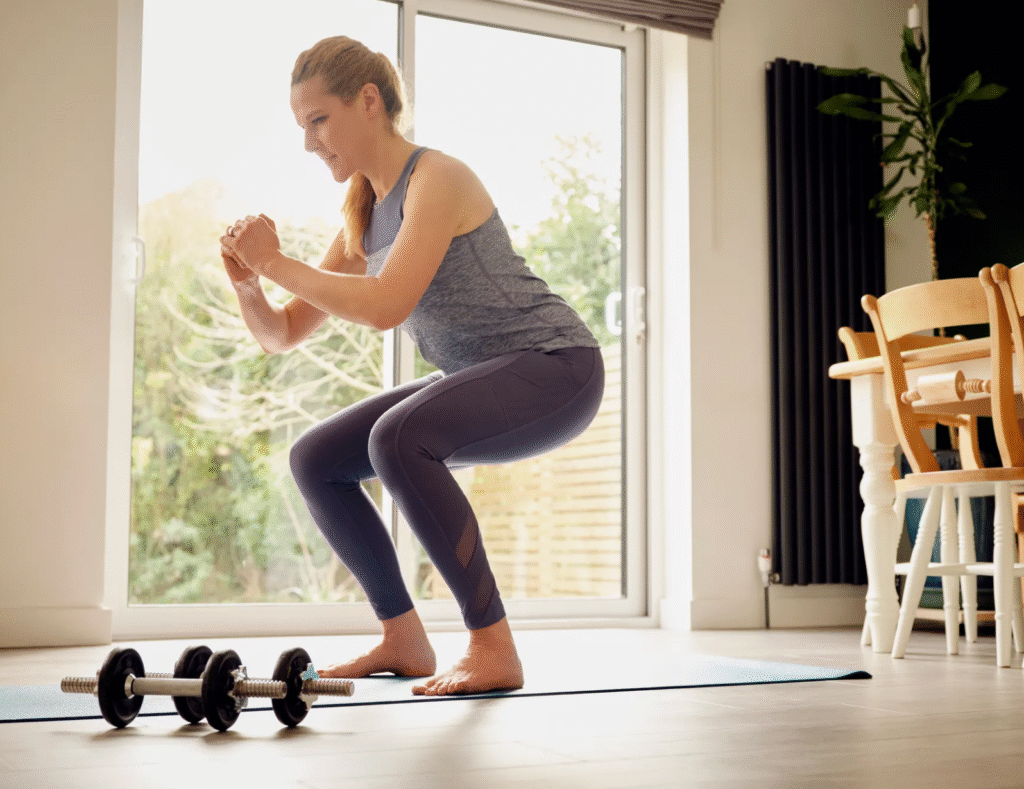
Squats activate nearly every system in the body. From large muscle groups to the cardiovascular, nervous, and skeletal systems, this single movement offers comprehensive benefits. Squats improve posture, joint mobility, and balance, reduce fall risk, strengthen bones, and even increase insulin sensitivity.
Ramirez emphasizes: “It’s never too early to start. Training in youth lays the foundation for stronger muscles and bones, which protects you for life.”
A 2012 study in the European Journal of Preventive Cardiology used the sit-to-stand test (SRT) to measure functional strength. Those who easily passed the test had significantly lower mortality risk in subsequent years. “We can’t predict exact lifespan from this test,” Ramirez says, “but low scores correlate with shorter life expectancy.” Practicing squats and similar functional movements strengthens the body’s abilities in mobility, balance, and power—key factors in longevity.
Never Done a Squat or Strength Training? No Problem
“Squats aren’t about lifting 100 kilograms. Everyone can do them,” Ramirez says. “Start with guided practice, using machines or bodyweight exercises, and progress gradually.” Once you master the form, you can incorporate free weights. The key is safe progression—slowly increasing reps, speed, or weight to improve strength, power, and reduce age-related risks like falls or hip injuries.
Other Strength Training Exercises for 50+
Ramirez also recommends these complementary exercises:
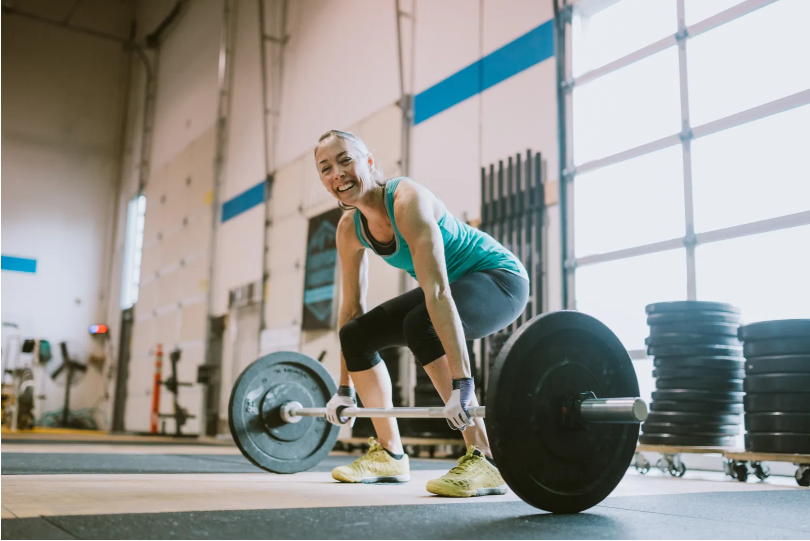
- Deadlifts: Strengthen the posterior chain and learn safe lifting mechanics.
- Shoulder Presses: Improve upper body strength and stability.
- Barbell Rows: Correct posture, strengthen the back, and prevent slouching.
- Grip Training: Hanging or weighted exercises enhance overall strength and heart health.
- Push-Ups & Sit-Ups: Functional, equipment-free, and highly effective.
- Leg Drills: Jumps and ankle exercises increase leg strength, explosiveness, and stability.
Squats and Strength Training: Your Longevity Ally
While squats won’t guarantee you’ll live to 100, they certainly boost strength, flexibility, and independence. Maintaining muscle mass after 50 protects against aging-related conditions like cardiovascular disease, Alzheimer’s, Parkinson’s, and osteoporosis. Among all resistance exercises, squats stand out for their effectiveness.
If you’ve been inactive or have health concerns, seek professional guidance to start safely. Remember—the goal isn’t just to live longer, it’s to live better.