



Dinner has always been the trickiest meal of my day. Long before high-protein diets became trendy, I was already stressing about what to eat at night. Evenings are when I’m hungriest, most tired, and most likely to overeat—yet also when my metabolism slows down, and my activity level drops. Now that I’m trying to lose weight, the challenge feels even greater.
After plenty of trial and error, I found something that works for me: four nights a week, I keep dinner strictly protein-based. It satisfies my hunger without sabotaging my progress, but along the way I’ve also learned that balance matters just as much as discipline.
The Protein Obsession—With a Warning
It’s no secret that our culture has become obsessed with protein. Nutritionist Melyssa Chang points out that while people once struggled with protein deficiencies, today we often swing to the other extreme—sometimes consuming up to 35% more than our bodies need. That’s why I approach my protein-focused dinners carefully: it’s not about demonizing carbs or fat, but about finding a rhythm that supports my health without creating new problems.
Why Protein Works at Night
Biochemist and nutrition expert Leticia Carrera explains it perfectly: our bodies burn fewer calories in the evening, and excess energy gets stored as fat. But protein plays a different role—it helps repair tissues while we sleep, and our bodies expend extra energy to metabolize it. “That’s why prioritizing protein at dinner can promote satiety and help with weight control,” Carrera notes.
This has been true in my own experience. I don’t step on the scale every day—water retention and sodium make the numbers swing too much—but I do notice differences in how my clothes fit. Psychologist Itziar Digón calls this the “mindful test,” while celebrity trainer Amy Rossof David prefers the “jeans test.” Either way, my waistband tells the story better than my bathroom scale.
The Science Behind Satiety: The Protein Leverage Hypothesis
The secret to my evening strategy lies in what physician Dr. Laura Bartolomé calls the “protein leverage hypothesis.” Our bodies keep signaling hunger until we hit a minimum threshold of protein. If we don’t reach it, we end up overeating carbs and fat to fill the gap. By centering dinner around protein, I avoid the late-night bread basket or sugary snacks.
As nutritionist Laura Parada explains, easily digestible proteins like eggs, white fish, or light cheeses deliver even greater benefits: “They help you feel lighter, improve sleep quality, and keep you fuller for longer.”
Balance Matters: What I Eat During the Day
Of course, eating only protein at dinner isn’t nutritionally complete. Parada reminded me that the rest of my meals must do the heavy lifting when it comes to fiber, healthy fats, and carbs. My breakfasts often include whole-grain toast with tomato or avocado, plus fruit. Lunch is loaded with vegetables and carbs, while snacks between meals might be fruit or nuts. This way, I avoid the nutrient gaps that a protein-only dinner could create.

My Go-To Protein Dinners
The beauty of this approach is its simplicity. My favorites include:
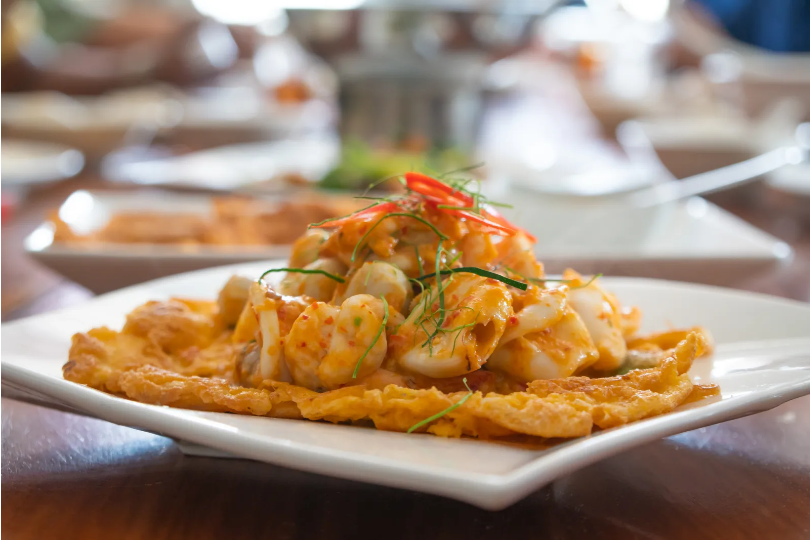
- A French-style omelet with shrimp, followed by a little kefir for dessert.
- Turkey breast or chicken paired with grilled shrimp.
- Tuna or salmon tartare with a spicy kick.
- Thinly sliced beef topped with Parmesan.
- Ricotta or mozzarella-based plates with a side of eggs.
They’re quick, satisfying, and keep me from raiding the pantry before bed.
The Bottom Line:
Four nights a week, I let protein take the spotlight at dinner—and I feel lighter, sleep better, and notice a real difference in how my clothes fit. But I’ve also learned that no single nutrient is a silver bullet. A protein-only dinner works for me because I balance it with smart choices throughout the rest of the day.
It’s not about restriction—it’s about rhythm. And for now, this rhythm feels just right.